June 15, 2025 — Loutacar
Driving in Morocco: Rules, Tips and Everything You Need to Know
Driving in Morocco is a rewarding experience that opens the door to some of the country's most spectacular landscapes: from the Atlantic plains to the peaks of the High Atlas, from the medinas of Fès and Marrakech to the coastal roads between Agadir and Tanger. But to enjoy it in complete peace of mind, it's essential to know the local rules, required documents, and some practical realities of Moroccan roads.
Road Rules and Morocco-Specific Regulations
Right-hand traffic and speed limits
In Morocco, you drive on the right, as in France. Speed limits are as follows: 40 to 60 km/h in built-up areas, 100 km/h on national roads outside towns, and 120 km/h on motorways. These limits are strictly enforced by fixed and mobile speed cameras, especially on routes between Casablanca, Rabat, Marrakech, and Tanger. Fines can be collected on the spot.
Seatbelts and mobile phone use
Seatbelts are mandatory for the driver and all passengers, both front and rear. Using a handheld mobile phone while driving is prohibited. These rules are similar to most European countries. Moroccan law enforcement regularly conducts checks on major roads, particularly around Casablanca and Rabat.
Drink driving
The maximum permitted blood alcohol level is 0.2 g/L, which is effectively a zero-tolerance policy. It is strongly advised not to drive after consuming alcohol. Checks are frequent, particularly in the evening and at weekends.
Roads to Avoid and the Best Routes
Motorways: fast and well-maintained
Morocco's motorway network is of good quality and connects the country's main cities. The Casablanca–Rabat, Casablanca–Marrakech, Rabat–Tanger, and Casablanca–Fès axes are toll roads but offer comfort and safety. These are the recommended routes for long journeys, especially for families or sedan drivers.
National roads: scenic but demanding
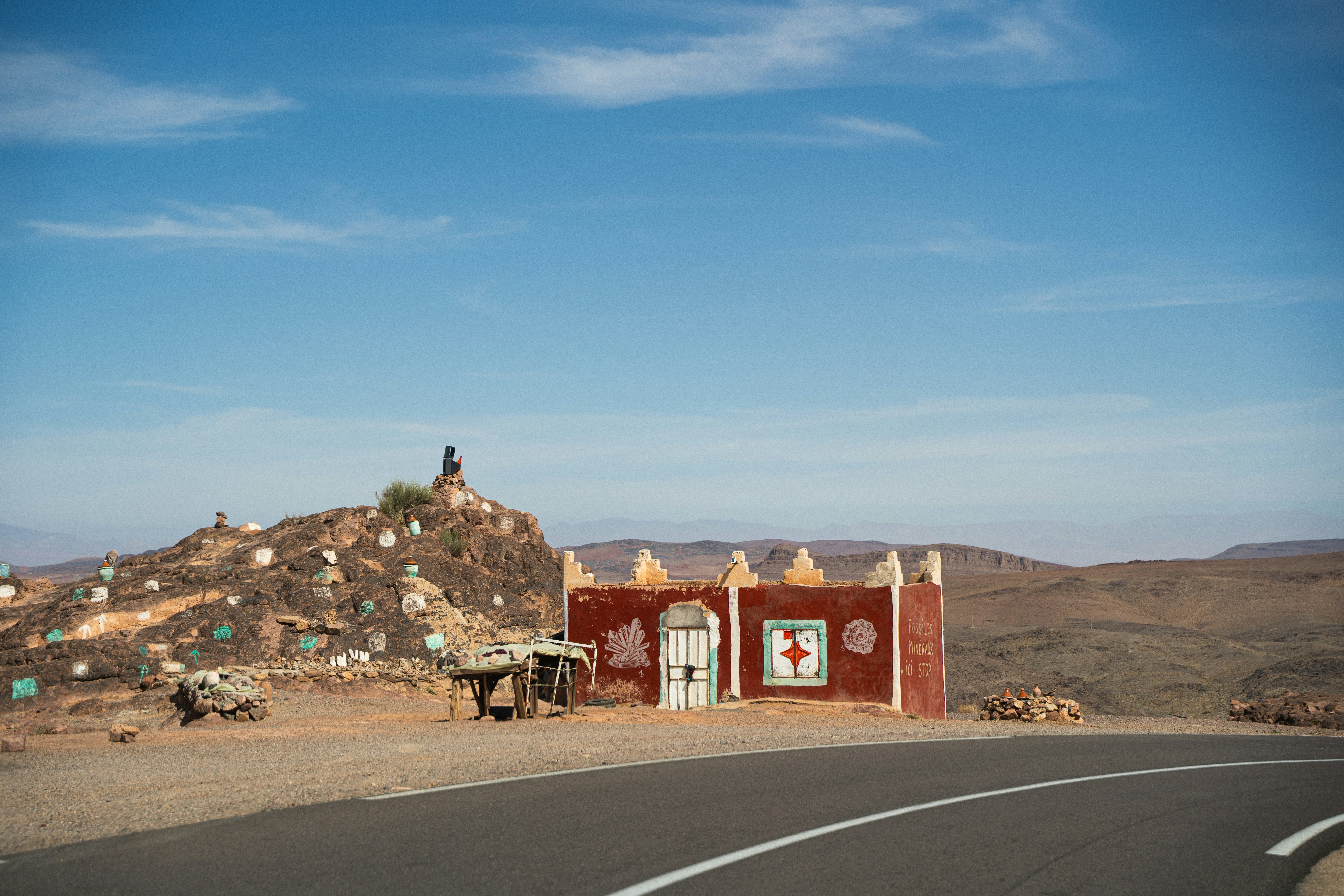
National roads pass through exceptional scenery but require heightened vigilance. Mountain roads between Marrakech and Fès via Azilal, or between Agadir and Tanger along the coast, are stunning but feature tight bends, sometimes without crash barriers. Be cautious on roads passing through rural areas where animals may step onto the carriageway.
Areas to avoid or approach with care
Unpaved tracks in certain pre-Saharan or mountain areas are unsuitable for standard sedans. If you want to explore regions like the Drâa Valley, the Merzouga desert, or trails around Marrakech, opt for an SUV or 4x4. Loutacar has vehicles suited to these itineraries.
Documents Required to Drive in Morocco
Driving licence
Citizens of the European Union, Switzerland, Canada, and many French-speaking countries can drive in Morocco with their national licence, provided it is valid. For other nationalities, an international driving permit is generally required. It is wise to check this requirement before your departure, especially if you are arriving via Mohammed V Airport in Casablanca.
Vehicle documents
Your rental contract, vehicle registration document, and insurance certificate must be in the car at all times. When you rent with Loutacar, these documents are provided at key handover. In the event of a police check — which can occur anywhere on major roads — these papers may be requested.
Identity document
Always carry your passport or national identity card during your travels. Police checkpoints exist in certain regions, particularly at the entrances and exits of large cities such as Tanger, Fès, or Marrakech.
Road Safety Tips
Adapt your driving to local habits
The driving style can be more assertive than European drivers are used to, particularly in cities like Casablanca, Rabat, or Marrakech. Horn use is common as a form of communication. Adopt a defensive driving style, stay alert at intersections, and avoid rushing on busy urban roads during peak hours.
Driving at night: essential precautions
Night driving is not recommended on national and secondary roads outside major cities. Street lighting is absent on many rural routes. If you must drive at night, stay on lit motorways. Accidents due to poor visibility are more frequent outside urban areas.
In case of accident or breakdown
In the event of an accident, do not move the vehicles until the authorities arrive. Switch on hazard lights and place a warning triangle. In case of breakdown, call the rental agency immediately. With Loutacar, roadside assistance is available to help you wherever you are — whether in Mohammedia, Agadir, or on a national road between two cities.
Driving in Morocco is accessible and enjoyable once you know the basic rules and adopt the right attitude on the road. Between the modern motorways linking Casablanca, Rabat, Tanger, and Fès, and the scenic routes toward Marrakech and Agadir, Morocco offers a truly unique driving experience.